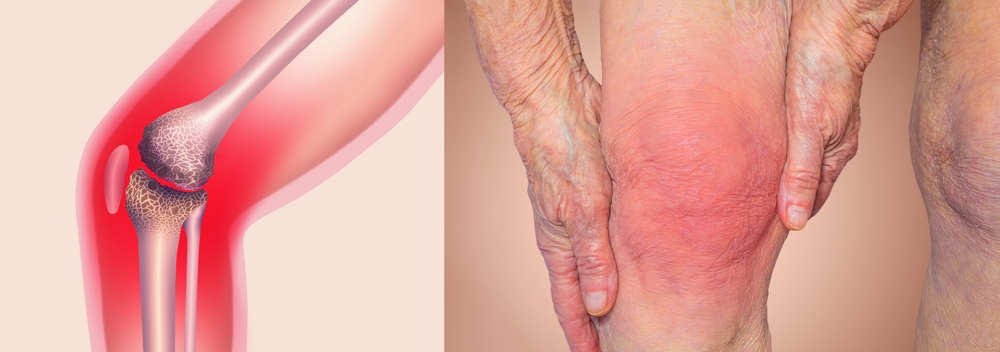
(Educational only — not medical advice)
Niacinamide (a form of vitamin B3) has been studied for its potential benefits in osteoarthritis. It may help reduce pain and improve joint function — without the side effects often seen with pain medications. Finding natural ways to control pain is important–especially for the elderly.
What the Research Shows
• A pilot study in the 1990s followed 72 people with osteoarthritis for 12 weeks. Those taking niacinamide had less pain and better mobility compared to those taking placebo.¹
• A more recent analysis of 2,375 patients with knee osteoarthritis found that higher niacin intake was linked with less pain, better function, and improved quality of life.²
• Clinicians such as William Kaufman, M.D., Ph.D., have reported positive outcomes with high-dose niacinamide over several thousand patient-years, noting no major adverse effects in his experience.
How It’s Used in Clinical Practice
• Many clinicians, including Dr. Wright and Dr. Kaufman, report that benefits are often seen around 1,000 mg three times daily.
• Some people may experience mild stomach upset at higher starting doses.
• A gradual increase — starting at 500 mg per day and working up to the target — may help reduce digestive discomfort.