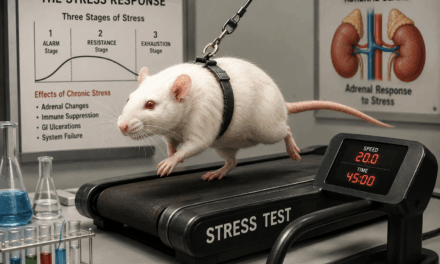
Stress increases the body’s demand for key nutrients—especially magnesium. When the nervous system responds to stress, it releases catecholamines and corticosteroids. According to a review in the Journal of the American College of Nutrition (1994;13(5):429-446), these stress hormones may worsen magnesium loss, potentially contributing to magnesium deficiency. Low magnesium status is linked with vasoconstriction, platelet aggregation, and disruptions in normal cardiac rhythm—factors that may influence cardiovascular resilience.
Other nutrients also appear to play a role in how the body responds to stress:
Omega-3 fatty acids
A large prospective cohort study of nearly 8,000 adults, published in the European Journal of Nutrition (2007;46(6):337-346), found that higher omega-3 intake was associated with better outcomes across several mental-health measures, including anxiety, low mood, and perceived stress.
Complementary findings were published in Hypertension (2004;44(5):732-738), where DHA supplementation reduced vasoconstriction triggered by psychological stressors.
Vitamin C
Vitamin C has been studied for its role in supporting the body’s stress response. In animal research reported by Medical Tribune (1999;40(16):4), stressed rats given vitamin C produced less corticosterone (their primary stress hormone) and maintained stronger immune markers compared with controls.
Earlier clinical observations also suggested a possible link between vitamin C (as sodium ascorbate), adrenal support, and symptom improvement in allergy patients. A review in the American Journal of Digestive Disorders (September 1947:302-306) noted benefits from 1–2 grams of sodium ascorbate daily, and a small study of 50 asthma patients found improvement in 42 individuals using whole adrenal extract combined with high salt intake. The proposed mechanism involved adrenal support and stabilization of stress-related sodium–potassium shifts.
Phosphatidylserine (PS)
Phosphatidylserine has been studied for its potential to moderate cortisol levels. A double-blind crossover trial published in the Journal of the International Society of Sports Nutrition (2008;5:11) found that 10 days of PS supplementation reduced exercise-induced cortisol elevations and improved perceived stress during moderate-intensity training.
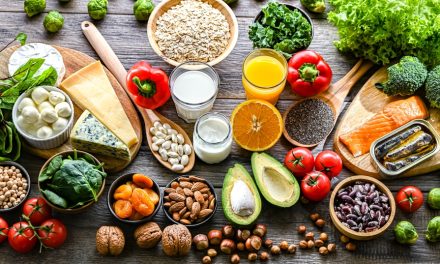
These findings collectively point to the interconnected roles of magnesium, omega-3s, vitamin C, and phosphatidylserine in modulating the stress response and supporting metabolic balance.
Related Articles:
Controlling Stress Benefits a Number of Health Issues