Trans Fats, Nutrient Deficiency, and Arterial Plaque: What Early Research Showed
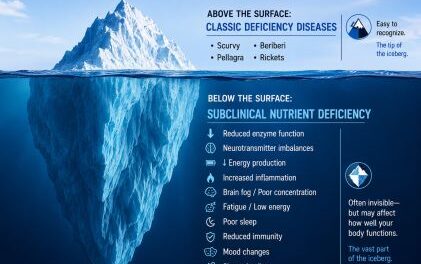
Before the FDA moved to phase out partially hydrogenated oils, several studies helped reveal how trans fats contributed to artery damage. One influential study, published in the American Journal of Clinical Nutrition (2004), found that trans fats could promote calcified plaques and endothelial injury—especially in the presence of low vitamin B6, vitamin B12, or magnesium status. These nutrients help regulate homocysteine and support healthy vascular tissue, so deficiencies made the damage worse.
Although the FDA has now banned industrial trans fats, the lesson still applies:
processed fats can harm arteries, especially when combined with nutrient-poor diets.
Today’s diet still contains other problematic fats—such as refined seed oils, oils repeatedly superheated during frying, and highly processed snack foods. These foods are often low in B-vitamins and magnesium, the very nutrients the early research identified as protective.
A whole-food diet rich in vegetables, nuts, seeds, legumes, and high-quality proteins naturally supports healthy levels of magnesium and B vitamins and reduces exposure to damaged fats.
Click here for more articles about cardiovascular health