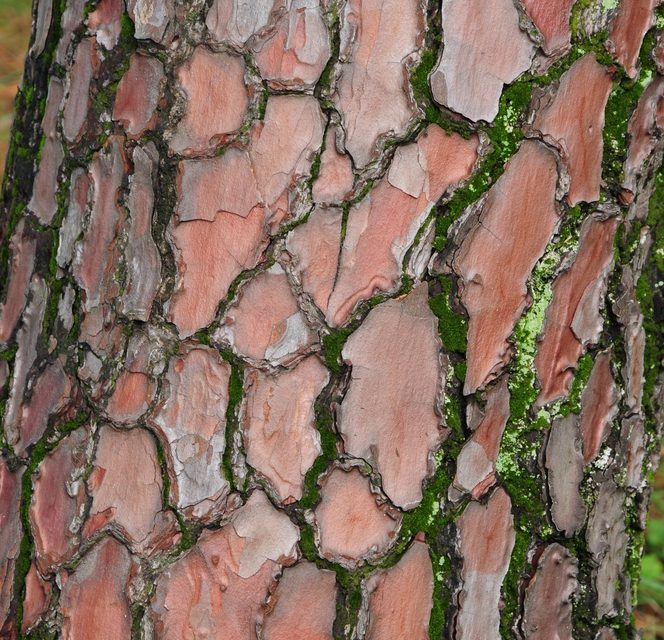
Pycnogenol is the U.S. registered trademark for an extract derived from the bark of Pinus pinaster, a type of French maritime pine. The bark contains a concentrated blend of bioflavonoids—plant compounds with antioxidant and anti-inflammatory properties. Similar bioflavonoids are found in foods such as fruits and vegetables and can also be extracted from sources like grape seed, peanut skin, and witch hazel bark, but the pine bark extract is particularly rich and standardized.
A double-blind, placebo-controlled study published in European Child and Adolescent Psychiatry (September 2006;15[6]) examined the effects of Pycnogenol supplementation in children with attention-deficit/hyperactivity disorder (ADHD). The study included 57 children with a mean age of 9.5 years.
Participants were randomly assigned to receive either Pycnogenol or a placebo for four weeks. Attention and behavior were assessed at baseline, at the end of the intervention, and again one month after supplementation stopped. Standardized tools were used, including Conners’ Teacher Rating Scale, the Child Attention Problems Teacher Rating Scale, and a modified Wechsler Intelligence Scale for Children.
At the end of the four-week supplementation period, children receiving Pycnogenol showed significant improvements in measures of inattention and hyperactivity, while no improvement was seen in the placebo group. However, when evaluated one month after discontinuing the supplement, the improvements were no longer present.
Takeaway
The findings suggest that Pycnogenol supplementation may temporarily improve attention and behavior in children with ADHD while it is being taken. The loss of benefit after discontinuation indicates that ongoing supplementation may be necessary to maintain the effect.