
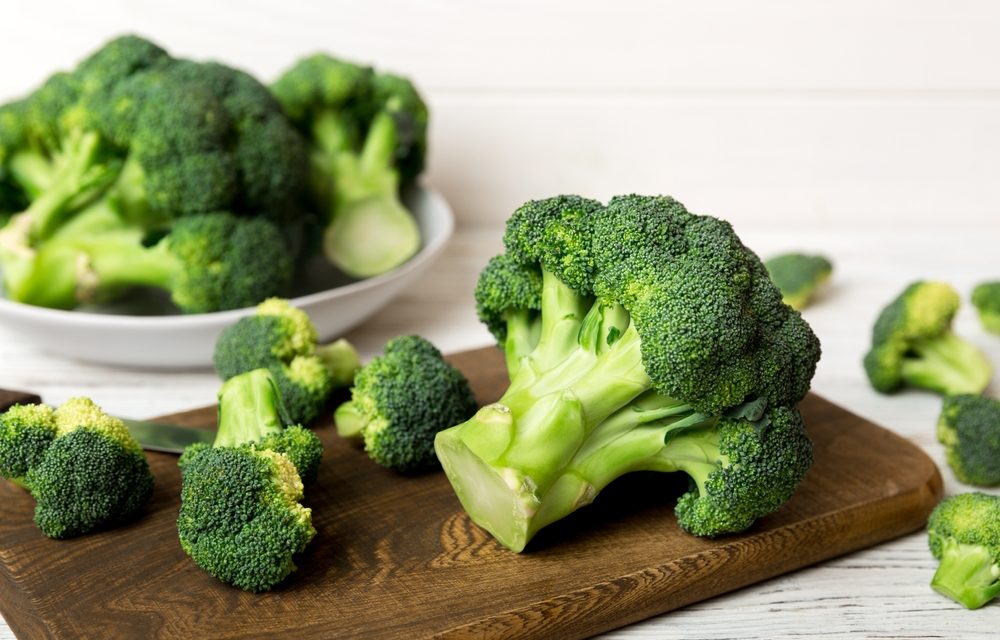
Research published in the Proceedings of the National Academy of Sciences of the United States of America (October 30, 2007; 104(44):17500–17505) examined the effects of topical application of a broccoli-derived extract on skin responses to ultraviolet (UV) radiation. The research was conducted by investigators at the Johns Hopkins University School of Medicine.
The extract studied contained sulforaphane, a compound found in cruciferous vegetables. Unlike traditional sunscreens, sulforaphane does not function by absorbing or blocking UV radiation. Instead, the researchers evaluated its effect on UV-induced skin inflammation by measuring erythema (skin redness) following controlled UV exposure.
Topical application of the broccoli extract reduced UV-induced erythema by more than 37%. Notably, the protective effect persisted beyond the time of application. When UV exposure was repeated three days after the extract had been applied, participants continued to show reduced skin reddening compared with untreated areas.
The authors reported that sulforaphane appeared to act by enhancing endogenous cellular defense mechanisms rather than by serving as a physical UV barrier. The compound was associated with increased activity of proteins involved in cellular protection, including pathways related to detoxification of carcinogens, removal of damaged cells, and modulation of inflammatory responses.
The prolonged effect observed in the study was attributed to this activation of intrinsic protective systems within skin cells, rather than to continued presence of the compound on the skin surface.







