
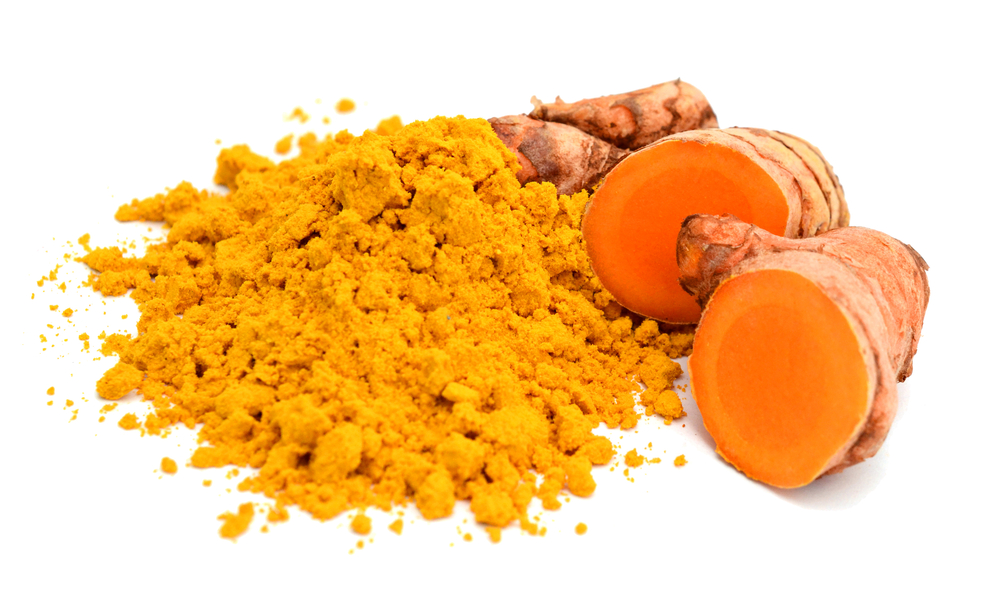
Curcumin and Rheumatoid Arthritis: Early Clinical Evidence
Curcumin, a bioactive compound found in turmeric, has been studied for its anti-inflammatory properties. A randomized pilot study published in Phytotherapy Research (Volume 26, Issue 11, November 2012, pages 1719–1725) evaluated its effects in 45 patients with rheumatoid arthritis.
Participants were randomly assigned to one of three groups and received either:
-
50 mg diclofenac sodium (a non-steroidal anti-inflammatory drug),
-
500 mg curcumin, or
-
a combination of diclofenac and curcumin.
Disease activity was assessed using the Disease Activity Score-28 (DAS-28) and American College of Rheumatology (ACR) criteria, which measure joint tenderness and swelling. All three groups showed improvement over the study period.
Notably, the group receiving curcumin alone demonstrated greater improvement in these measures than the group receiving diclofenac alone. While this was a small pilot study and does not establish curcumin as a replacement for standard therapy, the findings suggest that curcumin may have clinically relevant anti-inflammatory effects in rheumatoid arthritis and merit further investigation.







