
Barrett’s esophagus is a precancerous condition that develops in approximately 10–20% of people with chronic reflux of stomach contents into the esophagus. Symptoms may include heartburn, indigestion, difficulty swallowing solid foods, or nighttime regurgitation, although some individuals have few symptoms. Barrett’s esophagus is associated with an increased risk of esophageal adenocarcinoma, one of the fastest-growing cancers in the United States.
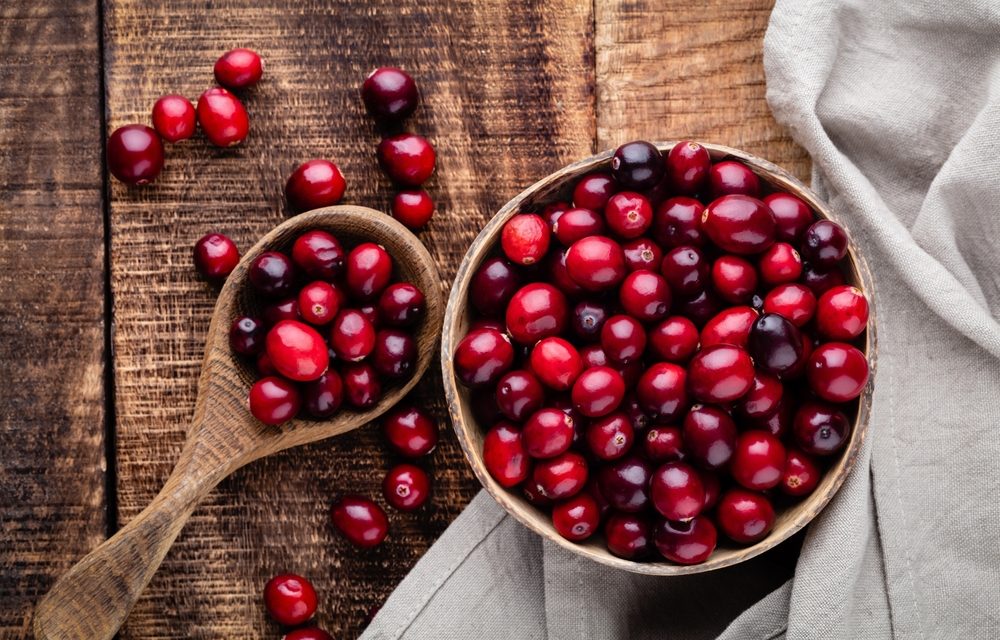
Interest has grown in the potential role of plant-derived polyphenols in modulating cancer-related processes. A study published in the Journal of Agricultural and Food Chemistry (Vol. 56, No. 3; February 13, 2008) examined the effects of a cranberry extract rich in proanthocyanidins on human esophageal adenocarcinoma cells. The extract significantly inhibited cancer cell proliferation in vitro. The authors noted that cranberry polyphenols appear to influence multiple pathways involved in cancer development. Similar in vitro and limited in vivo studies have reported that polyphenol-rich cranberry extracts affect cancer-associated processes in breast, colon, prostate, and other epithelial-derived cancer cell lines.
More broadly, polyphenols—naturally occurring compounds found in fruits, vegetables, tea, and other plant foods—are known for their antioxidant and anti-inflammatory properties and their ability to influence cellular signaling, oxidative stress, and gene expression. Consistent with this, diets high in fruits and vegetables, which are major sources of polyphenols, have generally been associated with a lower risk of esophageal adenocarcinoma, while diets high in meat have been linked to increased risk.







