
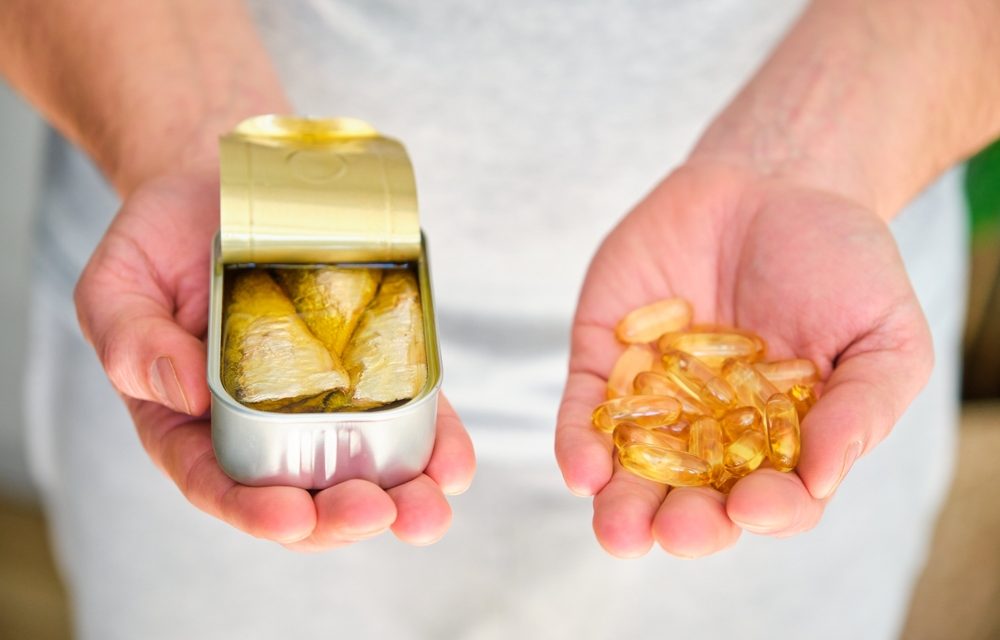
A review published in the European Journal of Clinical Nutrition examined research on omega-3 fatty acid supplementation and asthma and concluded that fish oil may help reduce airway inflammation and support bronchodilation.
Population studies support this association. Research involving 1,002 pregnant Japanese women found that higher fish consumption—and a higher ratio of omega-3 to omega-6 fatty acids—was associated with a lower risk of asthma in their children. This suggests that maternal fatty acid intake during pregnancy may influence immune and airway development.
Dietary patterns earlier in life also appear to matter. A large study of over 16,000 adults found that even modest fish intake was associated with a reduced risk of developing asthma. Individuals who reported never eating fish during childhood had a higher likelihood of developing asthma at an earlier age.
Intervention studies are consistent with these findings. In a randomized trial involving 616 pregnant women at increased risk of having children with asthma, infants were given either 500 mg per day of fish oil or placebo (with supplementation delayed until six months in breast-fed infants). At 18 months of age, children with higher blood levels of omega-3 fatty acids had fewer asthma symptoms, less nocturnal coughing, and fewer physician visits for asthma.
Together, these findings suggest that omega-3 fatty acids—whether from diet or supplementation—may play a role in reducing asthma risk and symptom burden, particularly when exposure occurs early in life. There are other approaches that can help you to naturally bring asthma under conrol.







