
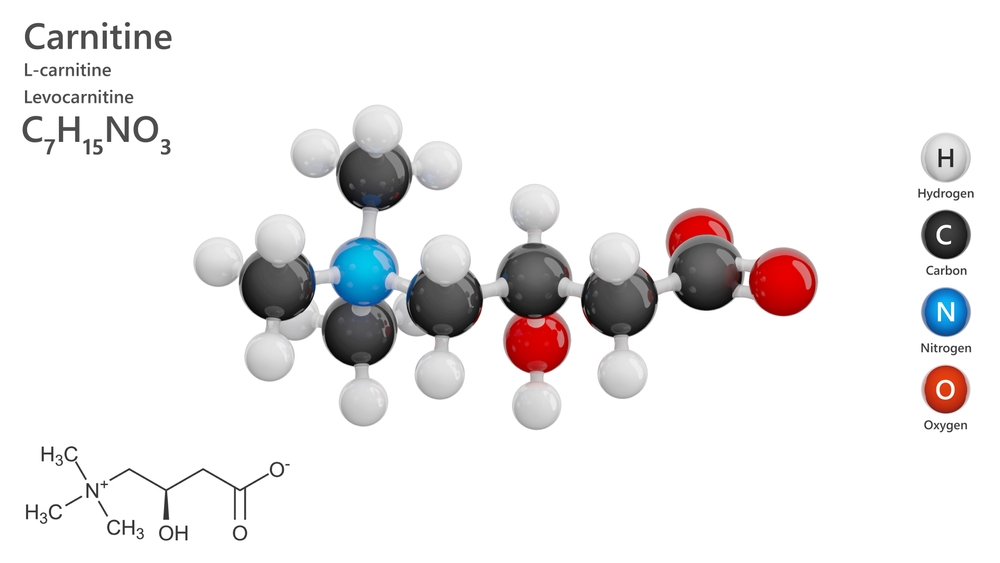
Dyslipidemia refers to abnormal levels of fats in the blood, most commonly elevated cholesterol and triglycerides. It is especially common in people with chronic kidney disease and those undergoing dialysis.
Research published in the Saudi Journal of Kidney Diseases and Transplantation (May 2012; 23(3):484–488) examined whether L-carnitine supplementation could improve lipid profiles in dialysis patients. In this study, 30 participants received 250 mg of L-carnitine daily for eight weeks, while 30 matched patients served as controls and did not receive supplementation.
Serum lipid levels were measured at baseline and again after the intervention period. The group receiving L-carnitine showed reductions in total cholesterol and LDL cholesterol, while HDL cholesterol levels did not change significantly. No comparable improvements were observed in the control group.
While this was a relatively small and short-term study, it aligns with later observational and interventional research suggesting that L-carnitine may help support lipid metabolism in populations with impaired kidney function, where endogenous carnitine levels are often low.







