
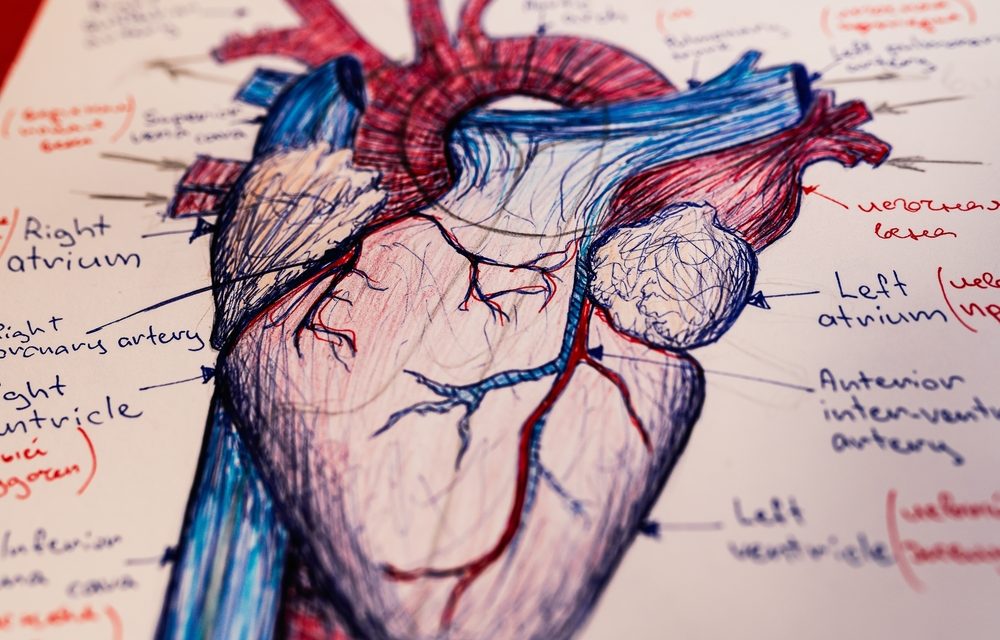
The endothelium is the thin layer of cells that lines the inner surface of blood vessels, forming the interface between circulating blood and the vessel wall. Endothelial cells line the entire circulatory system—from the heart to the smallest capillaries—and play an essential role in vascular health. By smoothing blood flow and reducing turbulence, these cells help blood move efficiently through the vessels.
Endothelial cells also help protect against atherosclerosis. They produce substances such as heparan sulfate, which has anticoagulant properties and helps reduce inappropriate blood clot formation. When endothelial cells are healthy, they support normal blood flow, vascular tone, and anti-clotting balance. When endothelial function is impaired, the risk of atherosclerosis and cardiovascular disease increases.
The importance of endothelial health has led researchers to explore nutritional factors that may support normal endothelial function. A meta-analysis published in Atherosclerosis (epublished ahead of print October 25, 2011) reviewed randomized, controlled trials evaluating coenzyme Q10 (CoQ10) supplementation and endothelial function. The authors searched multiple databases, including MEDLINE, the Cochrane Library, Scopus, and EMBASE, identifying studies published through July 1, 2011.
The analysis found that CoQ10 supplementation was associated with significant improvements in endothelial function across the included trials. These findings suggest that CoQ10 may influence biological pathways involved in vascular health, although further research is needed to clarify its role in long-term cardiovascular outcomes.







