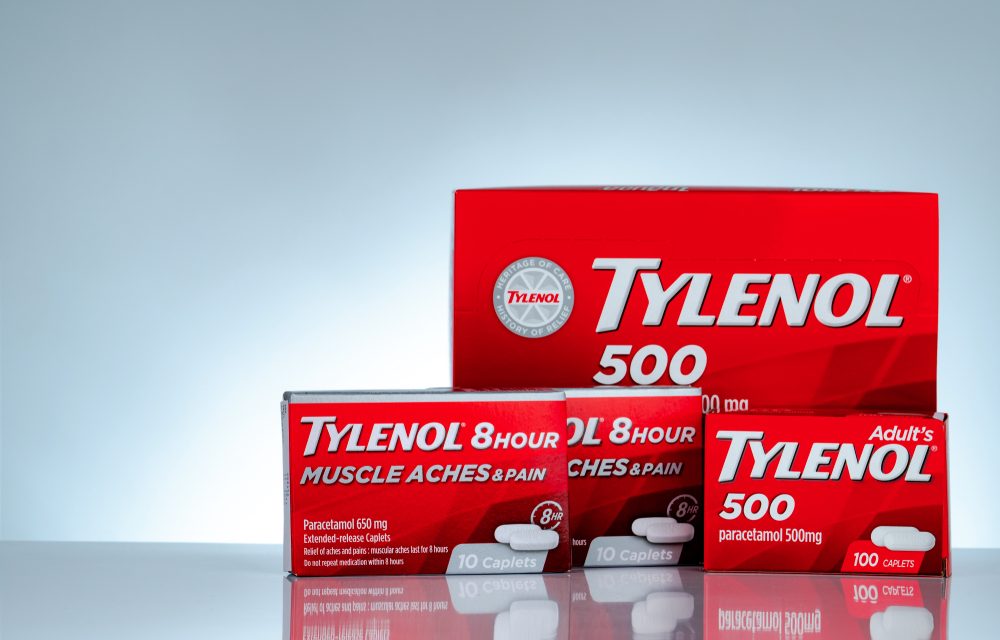
Recently, a comment in the news suggested that Tylenol (acetaminophen) might be linked to autism. That claim made headlines, but the real story is more complicated.
Rising Health Challenges
Autism, autoimmune disease, allergies, and other chronic conditions are rising at an alarming rate. Autoimmune disease alone is increasing about 7% per year. It’s unlikely that one single cause is responsible. Instead, it looks more like the “straws on a camel’s back”: environmental toxins, processed food, stress, poor sleep, and medical interventions all piling up on a system that eventually breaks.
Where the Tylenol Theory Comes From
-
Glutathione depletion: Acetaminophen is processed in the liver, and in the process it uses up glutathione — the body’s master antioxidant and detoxifier.
-
Timing matters: Some parents and clinicians noticed that after a child received a vaccine, Tylenol was often given to reduce fever. In a few cases, symptoms worsened afterwards. The idea is that immune stress from the vaccine plus glutathione depletion from Tylenol may have “tipped the balance.”
-
Research so far: A few observational studies and ecological analyses have raised questions about acetaminophen and neurodevelopment. But large, controlled studies have not proven that Tylenol causes autism.
Why It’s Controversial
Mainstream medicine tends to look for a single cause behind a disease. But health rarely works that way. When Ignaz Semmelweis suggested surgeons wash their hands, he was mocked because his idea wasn’t “proven.” Weston Price’s careful observations of traditional diets were dismissed for the same reason. Observations are the first step in the scientific method — and they shouldn’t be ignored.
The Tylenol/autism connection may never be fully explored, because there’s no patent to be made and it questions a very standard medical practice. That doesn’t mean it’s wrong — only that it remains a hypothesis with limited research.
The Bottom Line
No single study proves that Tylenol causes autism. But the idea didn’t come out of nowhere. It’s one of many possible stressors adding to the burden on children’s health. Rather than dismissing these questions, we should be asking: how many “straws” can the camel’s back take before it breaks?
This article is educational only and is not medical advice. For personal health concerns, consult doctors trained in natural healthcare.