
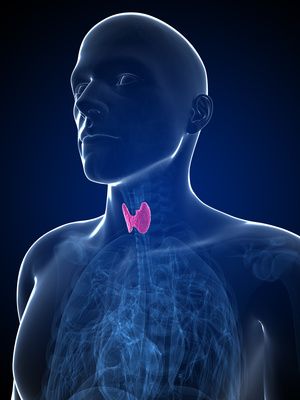
Graves’ disease is an autoimmune condition in which the immune system targets the thyroid gland, leading to excessive production of thyroid hormones and hyperthyroidism. It is the most common cause of hyperthyroidism. Commonly reported symptoms include irritability, anxiety, sleep disturbance, rapid heartbeat, weight loss, increased perspiration, heat intolerance, fine tremor of the hands or fingers, and increased bowel frequency. Women may experience menstrual changes, and thyroid enlargement (goiter) may be present.
A frequent extra-thyroid manifestation is Graves’ ophthalmopathy, also known as exophthalmos, characterized by protrusion of the eyes. Associated symptoms may include dryness, a gritty sensation, redness, inflammation, light sensitivity, and excessive tearing. In more severe cases, corneal ulceration, restricted eye movement, and visual disturbances such as blurred or double vision may occur. Smoking has been identified as a significant risk factor for the development and severity of Graves’ ophthalmopathy.
Research published in IUBMB Life (2001; 51:105–109) examined oxidative stress and antioxidant supplementation in 56 patients with hyperthyroidism due to Graves’ disease. Participants aged 22 to 66 were randomly assigned to receive methimazole alone, an antioxidant supplement alone, or a combination of methimazole and antioxidants. The antioxidant formulation included vitamin E, beta carotene, vitamin C, zinc, manganese, copper, and selenium. Antioxidant supplementation alone did not alter thyroid hormone levels. However, the investigators reported that patients with hyperthyroidism showed biochemical markers of increased oxidative stress, including elevated malondialdehyde levels and reduced activity of antioxidant enzymes such as superoxide dismutase and catalase, compared with healthy controls. The authors proposed that antioxidant status may be relevant to symptom expression in Graves’ disease.
Additional research published in Pharmazie (2005; 60(9):696–700) examined DNA damage in peripheral lymphocytes of patients with Graves’ disease. In that study, antioxidant treatment was associated with reduced markers of cellular DNA damage, suggesting a potential relationship between oxidative stress and immune cell integrity in this condition.
Together, these studies reflect early research exploring oxidative stress and antioxidant status in Graves’ disease and its manifestations, particularly as they relate to cellular and immune processes.







