
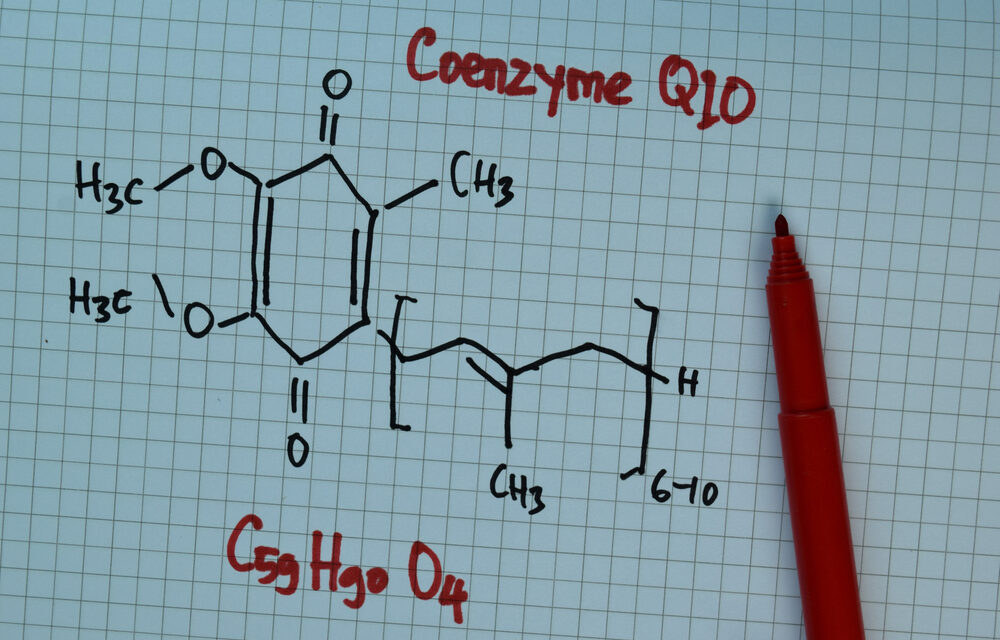
TL;DR
A Japanese study (Atherosclerosis, 2014) found higher CoQ10 levels were linked to lower dementia risk.
CoQ10 supports energy in the cell, antioxidant defenses, and the health of your blood vessels, all of which play roles in brain aging.
The Study at a Glance
- Design: Case-control analysis within a cohort of ~6,000 Japanese adults (ages 40–69).
- Cases/Controls: 65 dementia cases matched to 130 controls by age, sex, and baseline year.
- Finding: Higher serum CoQ10 was inversely associated with dementia risk.
- Takeaway: People with higher CoQ10 levels were less likely to have dementia.
Why CoQ10 Might Support Brain Health
- Mitochondrial energy: CoQ10 is necessary for your cells to produce energy. You need it to produce ATP.
- Antioxidant activity: Helps reduce oxidative stress, a known factor in neurodegeneration. It protects your cells (especially nerve cells, which are particularly vulnerable).
- Vascular function: It supports the health of the lining of your arteries, improving blood flow and cognition.
Practical Steps
- Diet first: Choose whole foods—fatty fish, meats, nuts, legumes, colorful vegetables. Click here for the Roadmap to Health diet. Avoiding sugar, starch, and processed foods
- Lifestyle pillars: Address cardiovascular risk, sleep, and exercise to support cognition.
- Supplements (general guidance):
- CoQ10 (ubiquinone) or Ubiquinol: 100–200 mg/day with a fat-containing meal.
FAQs
Does CoQ10 prevent dementia?
Studies show an association between low CoQ10 and dementia. Other studies support this. While this is not “proof”, it is a smoking gun.
Should I take CoQ10 for memory?
It may support energy and vascular health. It also helps control hypertension and supports heart health.
Is CoQ10 safe?
Generally well tolerated; mild GI upset possible. It can interact with warfarin; talk to your doctor if you are on anticoagulants (blood thinners).
How long to see effects?
Cardiovascular markers may improve in 8–12 weeks; cognitive outcomes depend on many factors.







